
Most hosts think the review gets decided at checkout. It gets decided in the first hour.
A guest lands after a long flight. It is late, they are tired, and a little anxious about whether the place looks like the photos. What happens in the next sixty minutes sets the tone for everything after. If they walk in, find the wifi in ten seconds, work out the shower, and know where to get dinner, they relax. If they end up standing in the kitchen at eleven at night texting you because the door code will not work, that feeling follows them all the way to the review box.
I used to answer those texts myself. Wifi password. Where the spare key lives. Whether the hot water is meant to run cold first. The same handful of questions, every single stay, usually while I was cooking dinner or already half asleep. It never felt like much in the moment. Added up across a few listings, it was two to four hours of my week gone to messages I had already answered a hundred times.
The questions are boringly predictable
Here is what nobody tells you when you start hosting. Guests do not ask creative questions. They ask the same ones, in roughly the same order, almost every time.
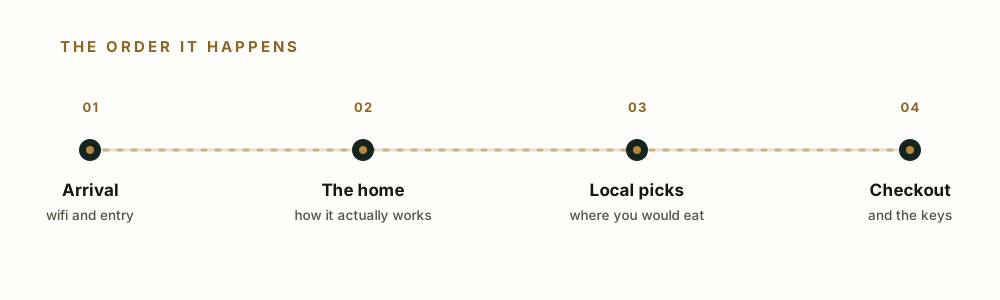
Wifi and the entry code come first, before the bags are even down. Then how the home actually works: the tap that runs cold, the burner that needs two clicks, the AC remote with the confusing symbols. Then the quiet stuff they will not always message about but definitely want, like where you would actually eat if you lived here. Somewhere near the end, checkout, and what to do with the keys.
None of it is a surprise. So all of it can be answered before it is asked.
Timing matters more than the answer
You could send every one of these facts in a message. Plenty of hosts do. The problem is when.
Check in is the most time sensitive moment you have with a guest. They need the code and the directions the minute they arrive, not forty minutes later when you finally spot the phone. A slow reply here is not a small annoyance. It is a guest on a dark doorstep with their luggage, and it is the quickest way to turn a five star stay into a three.
Guests read the room, too. When the information is already waiting for them, easy to find, it feels like care. When they have to chase you for the wifi, it feels careless, and that quietly colours how they see the rest of the place. The same fact lands very differently depending on whether they had to ask for it.
What "answered before they land" looks like
A good welcome guide is not a forty page binder nobody opens. It is short. It puts the first hour questions right at the front, in the order a guest hits them, and it sounds like you instead of a template.
The essentials go first: wifi, entry, parking, the one thing about the place that trips everyone up. Then the honest local list, the three or four spots you would send a friend to, with a line on why. Then the practical closers, checkout time and where the keys go. That is most of it. The magic is not that the information exists. It is that the guest never had to send a message to get it.
I knew it worked because the texts stopped. The one about the water heater, the one about the spare key, gone. Guests started mentioning the food list in their reviews, and those were my own spots. I only had to pick them once.
Start with the boring five
If you do one thing this week, write down the five questions you answer most often. You already know them by heart. Then put the answers somewhere a guest will see the moment they walk in.
That is the whole trick. The stays that feel effortless are not the ones with the prettiest listings. They are the ones where the guest never had to wonder.